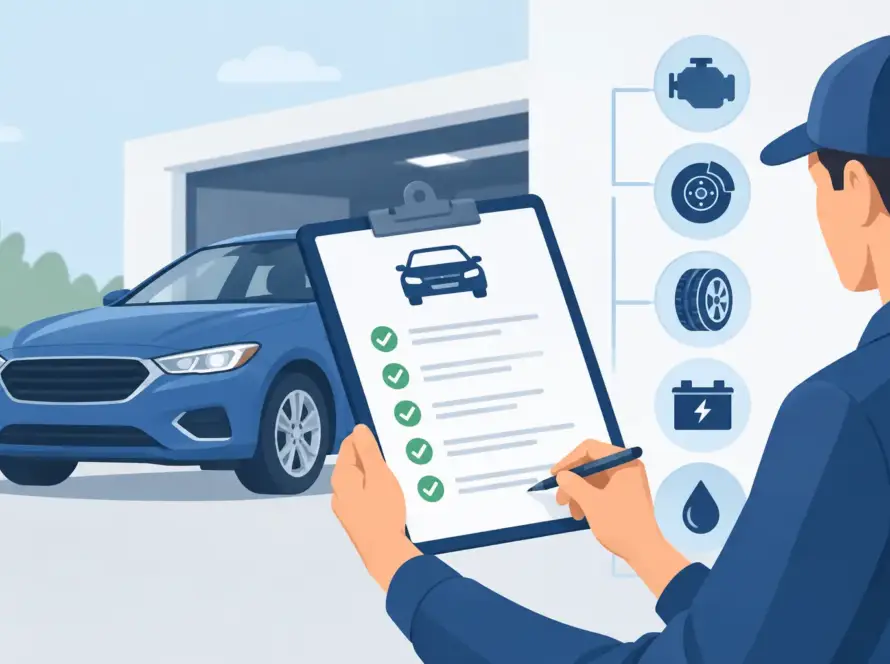
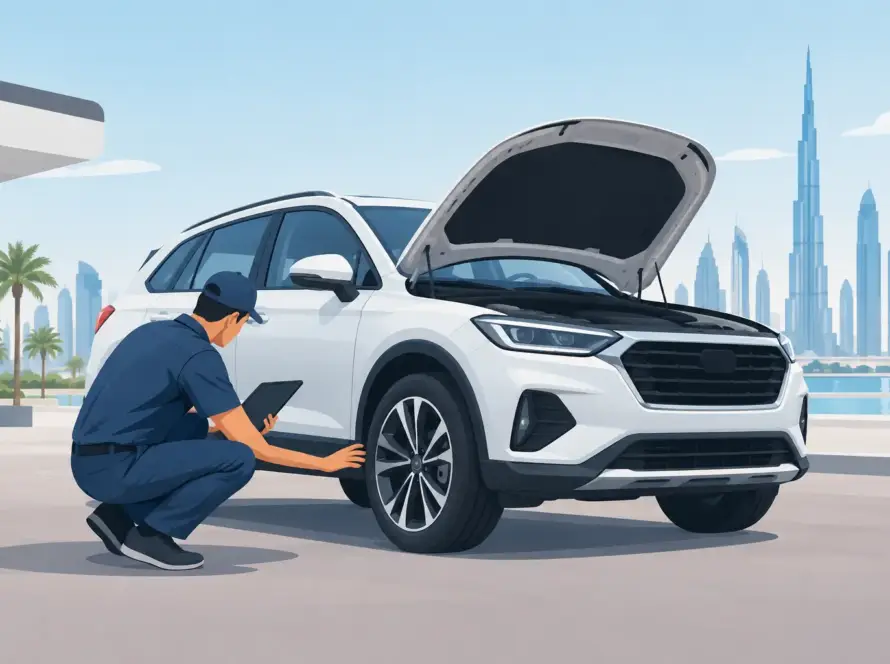
A clean exterior, a polished interior, and a confident seller can make a used car feel like a safe purchase. But a CarChecker.ae car inspector looks past the presentation. The real question is whether the vehicle is structurally sound, mechanically healthy, honestly represented, and likely to stay affordable after you take ownership.
That matters in a market where cars may have changed hands several times, traveled between emirates, or arrived with incomplete maintenance records. A seller may genuinely be unaware of a fault. Others may focus on the parts of the story that help close the sale. Either way, you need evidence before money changes hands.
Why an independent CarChecker.ae inspection in Dubai matters
A pre-purchase inspection is not just a quick look under the hood. It is an assessment carried out for the buyer, not for the person selling the car. That independence changes the purpose of the inspection.
A seller wants to present the vehicle well. A dealer may offer its own check or warranty, which can be useful, but it is not the same as having your own expert examine the car. An independent inspector is there to identify concerns, explain their likely impact, and give you a clear basis for deciding whether to proceed, negotiate, or walk away.
This is particularly valuable when buying from a private seller, considering a vehicle listed in another emirate, or looking at a premium model with expensive systems. A minor fault on one car might be a manageable repair. The same fault on a luxury SUV, performance vehicle, or electric vehicle may involve specialized parts and a much larger bill.
The goal is not to find a perfect used car. Most used vehicles have normal wear. The goal is to separate reasonable ownership costs from hidden damage, safety issues, and repairs that could turn a good-looking deal into an expensive mistake.
What a complete inspection should cover
A meaningful inspection connects each check to a buyer decision. A warning light, uneven tire wear, or paint variation is not useful information on its own. You need to know what it may indicate, how urgent it is, and whether it should affect the price you are willing to pay. Being the original inspection company, with the most experienced, most specialized, strictest and highest performing team, this is just part of our normal process. Things that others wouldn’t even consider checking form part of our standard process. We are THE inspection experts, whereas others may talk the talk but cannot walk the walk.
Exterior, body, and structural condition
The bodywork can reveal much more than cosmetic history. An inspector checks panel alignment, paint consistency, gaps around doors and hoods, lights, glass, trim, and signs of repair. Paint-depth readings and visual evidence can help identify areas that may have been repainted after damage.
Not every repaired panel means you should reject a car. A professionally repaired bumper scrape is very different from evidence of chassis damage, poor accident repair, or water intrusion. The key is knowing the difference before you commit.
The underbody also deserves attention. Scrapes, leaks, damaged shields, corrosion, suspension wear, and signs of impact are easy to miss when viewing a car in a parking lot. Yet these issues can point to rough use, previous collision damage, or repairs waiting just below the surface.
Engine, transmission, and mechanical systems
A clean engine bay does not confirm a healthy engine. An independent inspection should assess fluid condition and leaks, belts and hoses where accessible, cooling components, battery condition, engine operation, and visible mechanical wear.
The transmission, steering, brakes, suspension, and drivetrain need the same careful attention. During a road test, an inspector can listen and feel for hesitation, vibrations, abnormal noises, pulling under braking, delayed gear changes, steering play, and suspension knocks.
Some issues only appear when the vehicle is driven at normal road speeds or when it reaches operating temperature. That is why a static inspection alone has limits. If a seller will not allow an appropriate road test, treat that restriction as information in itself.
Computer diagnostics and warning signs
Modern cars store useful information in their control modules. Diagnostic scanning can identify active and stored fault codes affecting the engine, transmission, airbags, ABS, parking sensors, cameras, climate control, and other systems.
A dashboard with no warning lights is not always proof that everything is fine. Fault codes may have been cleared shortly before the viewing, and some problems do not trigger an immediate visible warning. A diagnostic scan adds another layer of evidence, especially on vehicles with advanced driver-assistance features or complex electronics.
A good inspector should explain codes in plain English. Some may relate to a historical or intermittent issue. Others can signal a repair that needs immediate attention. Context matters, and so does confirming whether the fault returns during testing.
Interior, electrical, and safety equipment
The interior tells a story about how a car has been used and maintained. Inspectors check seat operation, windows, locks, mirrors, infotainment, air conditioning, instrument displays, sunroofs, cameras, and other fitted equipment.
Safety equipment requires particular care. Airbag warnings, seatbelt condition, ABS faults, tire age, brake performance, and uneven tire wear can all affect whether the car is safe to drive. Replacing worn tires or repairing an air-conditioning issue may be expected maintenance. An unresolved airbag system fault is a different level of concern.
Maintenance and vehicle history
Service records can support a seller’s claims, but paperwork should be assessed alongside the car’s actual condition. An inspector can look for consistency between mileage, maintenance documentation, wear patterns, and known service needs.
Vehicle-history checks may help identify details that are not obvious at the viewing, such as prior accident records or other concerns connected to the vehicle’s background. History information is valuable, but it should not replace a physical inspection. A clean record does not guarantee that a car has never been repaired poorly or developed mechanical faults.
Mobile inspection makes the decision easier
Finding a workshop, arranging transport, and persuading a seller to leave the car for several hours can slow down a purchase. A mobile inspection brings the assessment to the vehicle, whether it is at a home, dealership, office, or another agreed location.
That convenience should not mean a lighter check. The value comes from having a trained inspector evaluate the car where it is, then provide documented findings with photos and videos that you can review without pressure from the seller standing beside you.
CarChecker.ae offers one complete mobile inspection package rather than asking buyers to choose between limited service levels. That approach is practical because a buyer of a modest daily driver deserves the same protection from hidden repair risk as a buyer considering a high-value luxury vehicle.
How to use the inspection report
The strongest report does more than label a car as good or bad. It gives you evidence to make a measured decision. Review the findings in three groups: safety-critical problems, repairs needed soon, and normal wear or cosmetic issues.
If the car has a small number of predictable maintenance needs, you may still want it. Use the report to estimate the cost, request repairs, or negotiate a realistic adjustment to the price. If it reveals structural concerns, serious engine or transmission issues, major diagnostic faults, or a history that does not match the seller’s description, walking away may be the cheapest outcome.
Ask questions after the inspection. A buyer should understand which findings are urgent, which can wait, and which are simply part of owning a used car. Clear guidance matters just as much as the technical checks themselves.
When an inspection is especially worth it
An inspection is sensible before any used-car purchase, but the risk is higher in certain situations. Be particularly cautious when the price seems unusually low, the seller says the car needs “nothing,” maintenance paperwork is missing, or the vehicle has been recently imported or transferred from another emirate.
Premium vehicles deserve close attention because deferred maintenance can be costly. Family SUVs should be checked carefully for suspension, tire, brake, cooling, and safety-system condition. Electric vehicles need assessment of battery health indicators, charging equipment, warning messages, and the systems that support safe operation.
Do not skip an inspection because the car is nearly new, sold by a dealer, or still covered by a warranty. Warranty terms vary, and not every existing condition will be covered. A current inspection gives you a snapshot of the vehicle you are actually buying.
The seller has had time to get familiar with the car. Give yourself the same advantage: inspect before you invest, and let the evidence make the decision easier.
Don’t compromise when choosing who inspects your future car, there is only one choice in the UAE if your priority is a quality inspection, we operate at a different level, our standards are beyond anyone else’s, we don’t compete on price, we deliver In quality