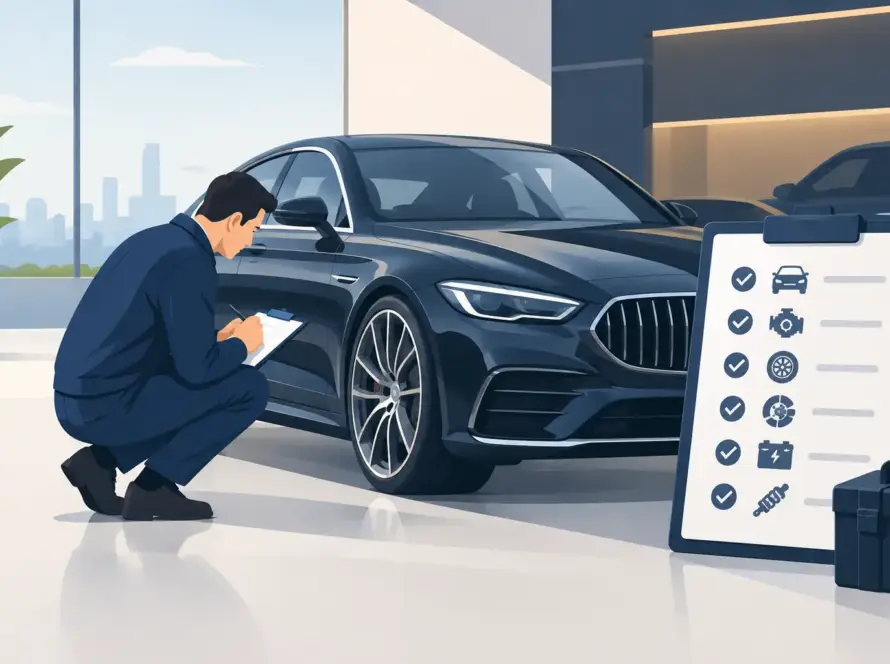
A clean showroom, polished paint, and a dealer’s assurance that a vehicle has been “fully checked” can make a used car feel like a safe bet. But a proper dealer inspection comparison asks a more useful question: checked for whom, to what standard, and with what evidence?
When you are about to spend thousands of dirhams on a used vehicle, a verbal promise is not a diagnosis. A dealer may have completed a preparation check before listing the car. That can be valuable, but it is not automatically the same as an independent pre-purchase inspection designed to protect the buyer. The difference matters most when the issue is expensive, hard to see, or easy to explain away – accident repairs, transmission behavior, oil leaks, chassis damage, warning-code history, battery condition, or overdue maintenance.
Dealer Inspection Comparison: The Real Difference
A dealer inspection is usually part of the dealer’s process for preparing, pricing, or selling inventory. An independent inspection is commissioned by you, the buyer, before you commit. Neither format should be judged by its name alone. The scope, independence, documentation, and willingness to explain concerns are what count.
Many reputable dealers do carry out meaningful checks and repairs. A franchised dealer may have stronger brand-specific knowledge, access to service campaigns, and familiarity with common faults on the vehicles it sells. A dealer warranty can also offer useful reassurance, provided you read the exclusions and claim conditions carefully.
But the dealer has a commercial interest in completing the sale. That does not mean every dealer hides defects. It means you should avoid treating the seller’s assessment as the only assessment. A buyer-side inspector has a different job: identify the condition of the car as it stands, document the evidence, and give you clear information to decide whether to buy, negotiate, request repairs, or walk away.
That separation is especially valuable in the UAE used-car market, where vehicles may have changed hands several times, been imported from another market, spent long periods in extreme heat, or received cosmetic repair after an accident.
What a Dealer Check May Cover – and What It May Not
There is no single dealer inspection standard. One dealer may provide a detailed multipoint report with diagnostic results; another may provide a short checklist confirming that the car is ready for sale. Ask to see the actual report before assuming what “inspected” means.
A basic dealer check often focuses on visible condition, immediate drivability, fluid levels, tires, brakes, lights, and obvious warning lights. These are sensible starting points, but they do not always reveal how the car behaves under load, whether repairs were performed to a high standard, or whether stored computer faults are waiting to return.
A comprehensive independent inspection should examine the vehicle from several angles: mechanical condition, computer diagnostics, structure, bodywork, interior operation, underbody, maintenance evidence, vehicle history, and a road test where conditions allow. The aim is not to promise that no component will ever fail. No inspection can do that. The aim is to expose present defects, signs of poor repair, likely costs, and risks that change the value of the deal.
For example, a vehicle can start cleanly, shift acceptably on a brief parking-lot drive, and still show transmission adaptation concerns in diagnostics. A glossy front bumper can look excellent while paint-depth readings suggest previous repair. New tires can improve a first impression, yet uneven wear may point to alignment, suspension, or chassis concerns. Context is everything.
Four Questions That Make the Comparison Clear
Before relying on a dealer’s inspection, ask for specific answers to these questions:
- Who performed it? Ask whether the check was completed by a trained technician, an in-house sales preparation team, or an outside workshop.
- Can I see the full report? A useful report identifies what was tested, the findings, recommendations, and any limitations. “Passed inspection” is not enough detail.
- Were diagnostic codes scanned and recorded? Warning lights can be cleared. Stored, pending, and manufacturer-specific fault codes may tell a more complete story.
- Was the vehicle road-tested and checked underneath? Many concerns appear only while driving or when the underbody, suspension components, leaks, and structural areas are accessible.
Also ask whether the dealer will allow an independent inspection at its location. A seller who is confident in the vehicle’s condition should generally be comfortable with a reasonable buyer-side assessment. There may be practical rules around timing, insurance, or road tests, but an outright refusal deserves caution.
Evidence Is More Valuable Than Reassurance
The strongest inspection reports do more than label a car “good” or “bad.” They show you what was found and what it means. Photos of underbody damage, videos of engine noise, diagnostic screenshots, tire-date information, and notes from the road test give you something concrete to discuss with the seller.
This is where an independent mobile inspection can be particularly practical. The inspector comes to the vehicle rather than asking you to move an unfamiliar car to a workshop before purchase. That is useful for cars at dealerships, private homes, storage locations, or listings in another emirate. You get an assessment at the car’s actual location, before the pressure of the sale turns into ownership.
At CarChecker.ae, the approach is one complete inspection package rather than a menu of shallow and deep tiers. That matters because buyers should not have to guess which level of inspection might uncover a serious issue. The same buyer-first approach applies whether you are looking at a family SUV, a luxury sedan, a performance car, a commercial vehicle, a motorcycle, or an EV.
For electric vehicles, the comparison should go beyond paint, tires, and a dashboard warning light. Battery condition, charging-system operation, fault codes, high-voltage system warnings, and signs of improper repair all deserve attention. For premium vehicles, air suspension, cooling systems, electronics, and service history can have a major effect on future ownership costs.
When a Dealer Inspection May Be Enough
There are situations where the dealer’s documentation may give you a stronger starting point. A late-model certified vehicle with a detailed checklist, verified service records, meaningful warranty coverage, and a clear return or repair policy carries less uncertainty than an older car with no supporting paperwork.
Even then, “less uncertainty” is not “no uncertainty.” If the vehicle is expensive, rare, modified, previously repaired, imported, or outside warranty, independent validation is usually sensible. The cost of an inspection is small compared with an engine repair, air-suspension failure, battery issue, or hidden accident history that changes resale value.
It also depends on your own risk tolerance. A buyer who understands the model, has reviewed service records, and is comfortable budgeting for repairs may accept more risk than a first-time buyer who needs dependable daily transportation. Neither approach is wrong, but the decision should be deliberate.
Use Findings to Negotiate, Not Just Reject
An inspection is not only a way to find reasons to walk away. It can help you buy the right car at the right price. A report may reveal minor maintenance needs rather than deal-breaking defects: aging tires, brake wear, a weak auxiliary battery, overdue fluids, or cosmetic repairs that have been disclosed and priced fairly.
The key is to separate normal used-car wear from risks that deserve a major price adjustment or a firm no. Ask what needs attention now, what can wait, what may cost the most, and whether the seller is willing to repair the issue or adjust the price. Keep the conversation focused on evidence, not assumptions.
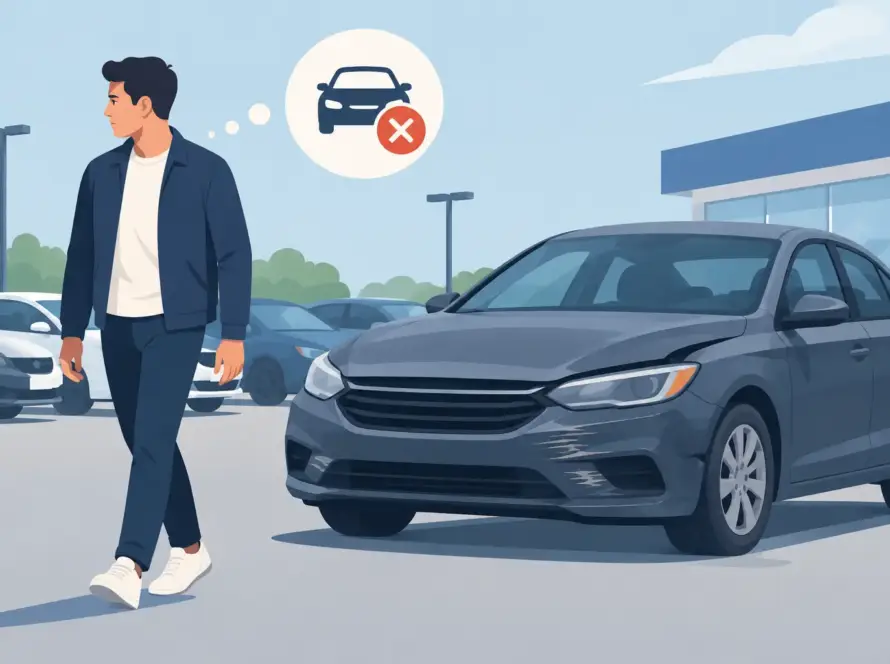
If serious structural damage, major diagnostic faults, overheating signs, poor repairs, or inconsistent history appear, do not let the time you have invested push you into a bad purchase. Walking away before payment is far easier than chasing repairs after registration.
Inspect Before You Invest
A dealer’s inspection can be a useful part of the picture, but it should not be the entire picture. Request the report, read the detail, ask what was not checked, and compare it against an independent assessment that answers to you.
The best used-car purchase is not always the cheapest listing or the shiniest one. It is the vehicle whose condition, history, and likely costs are clear enough for you to make a confident decision. We’re on your side: inspect before you invest.