A low-mileage luxury SUV with a spotless cabin can still be carrying a five-figure problem. Air suspension leaks, intermittent electronics, prior collision repairs, and neglected service items are often invisible during a quick walk-around. That is why a luxury car inspection before buying should be treated as part of the purchase, not an optional extra after you have agreed on a price.
Premium vehicles offer impressive engineering, but that engineering comes with complexity. A fault that would be relatively simple on a basic vehicle can involve multiple control modules, specialized parts, calibration work, or dealer-level programming on a luxury model. The right inspection gives you evidence before your money changes hands.
Why Luxury Cars Need a Different Level of Inspection
Luxury vehicles are built with more systems, more sensors, and tighter tolerances than most everyday cars. Adaptive dampers, panoramic roofs, soft-close doors, advanced driver-assistance features, multi-zone climate control, hybrid systems, and high-output engines all need to work as intended. A dashboard with no warning lights does not prove they do.
Some sellers clear stored fault codes before listing a car. Others may genuinely be unaware of an intermittent issue. A proper diagnostic scan can reveal historical and pending faults across engine, transmission, braking, airbag, body-control, and comfort systems. The inspector should then connect those codes to physical testing, rather than treating a scan tool as the entire inspection.
The financial stakes are also different. A worn bushing or tired battery may be manageable, but a damaged turbocharger, malfunctioning air-suspension compressor, cooling-system leak, or transmission concern can rapidly change the value of the vehicle. An inspection does not guarantee that a car will never need repairs. It tells you what is present now, what needs attention soon, and whether the asking price reflects the risk.
What a Luxury Car Inspection Before Buying Should Cover
A meaningful inspection looks at the whole vehicle, including the areas a seller is least likely to highlight. It should combine physical examination, computer diagnostics, vehicle-history checks, and a road test where conditions allow.
Structural Condition and Prior Repairs
Accident repairs vary widely. A properly repaired cosmetic bumper is not automatically a reason to walk away. Structural damage, poor panel alignment, overspray, inconsistent paint thickness, non-original welds, or corrosion in critical areas deserve much closer attention.
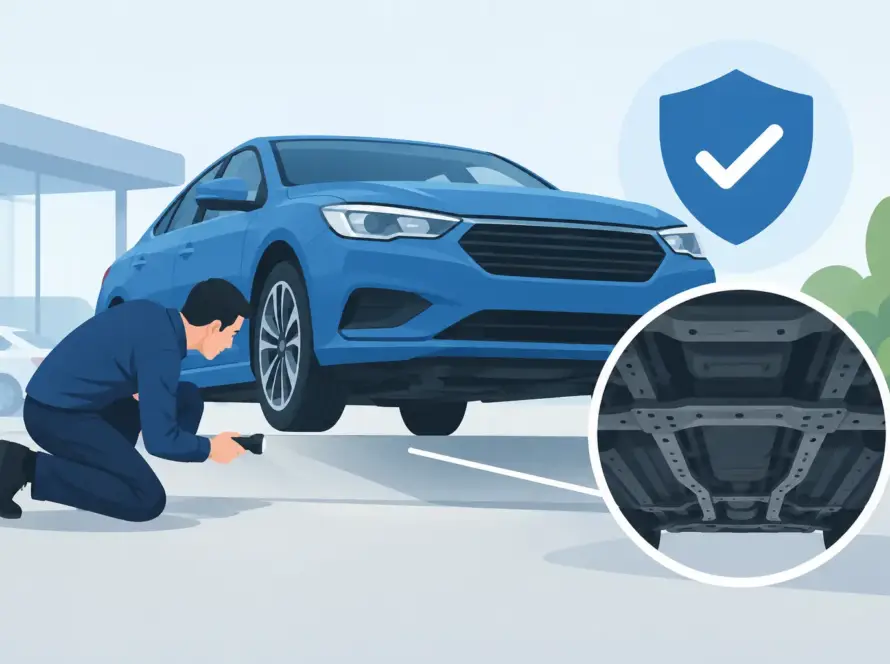
An inspector should examine panel gaps, paint finish, chassis rails, suspension mounting points, underbody covers, and signs of repair around the engine bay and trunk. On premium vehicles, sensors and cameras mounted in bumpers, mirrors, windshields, and grilles may also require calibration after a collision. If that work was skipped, safety and driver-assistance functions may not perform correctly.
Engine, Transmission, and Cooling Systems
Luxury engines can be smooth and quiet even when early problems are developing. The inspection should check for oil leaks, coolant leaks, smoke, abnormal noises, rough starting, misfires, overheating concerns, and signs of poor maintenance. It should also assess the condition of belts, hoses, fluid levels, and accessible components.
Transmission behavior matters just as much. Delayed engagement, harsh shifts, slipping, vibration, or hesitation under acceleration may point to a costly issue. Some models have known weak points, but a good assessment focuses on the specific vehicle in front of you, not assumptions based only on its badge.
Service history adds context. A complete record is reassuring, but invoices should match the mileage and maintenance schedule. Long gaps, missing major services, or repeated repairs for the same concern can change the decision. A vehicle with higher mileage and documented care may be a safer purchase than a low-mileage example with an unclear past.
Suspension, Brakes, Tires, and Underbody
A luxury car is expected to ride quietly and confidently. Clunks over bumps, uneven ride height, steering vibration, pulling under braking, or excessive body movement can reveal worn suspension parts, brake issues, wheel damage, or alignment problems.
Air suspension deserves particular care. The vehicle should sit level after being parked, raise and lower correctly if equipped, and remain free of compressor noise or suspension warnings. Replacing one failed component can be expensive, and multiple aging components can turn a bargain into a repair project.
Tires also tell a story. Uneven wear can indicate alignment concerns, worn suspension, aggressive driving, or accident damage. On performance and luxury vehicles, replacing a full set with the correct specification can cost far more than many buyers expect. Brake discs, pads, calipers, and electronic parking-brake operation should be checked at the same time.
Electronics, Comfort Features, and Safety Systems
This is where a basic visual check falls short. Test every function that matters to the ownership experience: infotainment, cameras, parking sensors, power seats, seat memory, heating and ventilation, sunroof operation, windows, locks, keyless entry, climate control, and steering-wheel controls.
Driver-assistance systems need attention too. Depending on the model, this may include blind-spot monitoring, lane assistance, adaptive cruise control, automatic emergency braking, and 360-degree cameras. A feature that appears on the vehicle’s options list is only valuable if it works.
Battery health is often overlooked. Modern luxury cars can produce a surprising number of warning messages when the 12-volt battery is weak. A battery may be inexpensive compared with other repairs, but it can also hide how long the car has sat unused or whether charging-system issues need further investigation.
Interior Wear and Authenticity
The cabin should make sense for the displayed mileage. Excessive wear on the driver’s seat bolster, steering wheel, pedals, switches, or door handles may not prove anything on its own, but it is worth comparing against the odometer, service records, and overall condition.
Check for damp carpets, musty odors, water marks, and malfunctioning electronics. Water intrusion from a blocked drain, damaged seal, or previous flood exposure can create electrical problems long after the interior has been cleaned. A detailed report with photos helps you distinguish normal cosmetic wear from evidence that needs an explanation.
The Road Test Is Where Problems Often Appear
A stationary inspection is essential, but a road test adds another layer of truth. The car should be driven long enough to reach normal operating temperature, where some transmission, cooling, vibration, and warning-light issues become more apparent.
During the drive, the inspector can assess cold start behavior, acceleration, braking, steering response, straight-line tracking, suspension noise, cabin rattles, and gearbox operation. Highway speeds may reveal wheel imbalance or driveline vibration that will not show up in a parking lot. Stop-and-go driving can expose jerky low-speed shifting or engine hesitation.
Road-test availability depends on the seller, location, registration status, and insurance. If a drive is not possible, the report should say so clearly. Never assume that a no-road-test inspection provides the same certainty as one completed under real driving conditions.
When to Negotiate, Repair, or Walk Away
Inspection findings are not automatically a verdict to reject the car. The decision depends on severity, repair cost, vehicle value, and your tolerance for future maintenance. Cosmetic paintwork, tires approaching replacement, or a scheduled service may be reasonable points for negotiation. Structural concerns, major drivetrain faults, flood evidence, or unexplained safety-system warnings require a far more cautious response.
Ask for repair estimates when significant issues are found, especially for model-specific parts and labor. A seller’s promise to “fix it” is not the same as a documented repair by a qualified workshop. If repairs are agreed upon before purchase, request invoices and recheck the work where practical.
Be especially careful with these findings:
- Chassis damage, airbags that have deployed, or inconsistent repair quality
- Engine, transmission, hybrid, or EV battery warnings
- Repeated diagnostic faults that return after clearing
- Missing maintenance records for major scheduled services
- Water damage, severe corrosion, or evidence of odometer inconsistency
A clean report does not mean a perfect vehicle. It means the inspector found no major concerns within the scope of the inspection at that time. That distinction is honest, and it helps you buy with your eyes open.
Get Independent Evidence Before You Commit
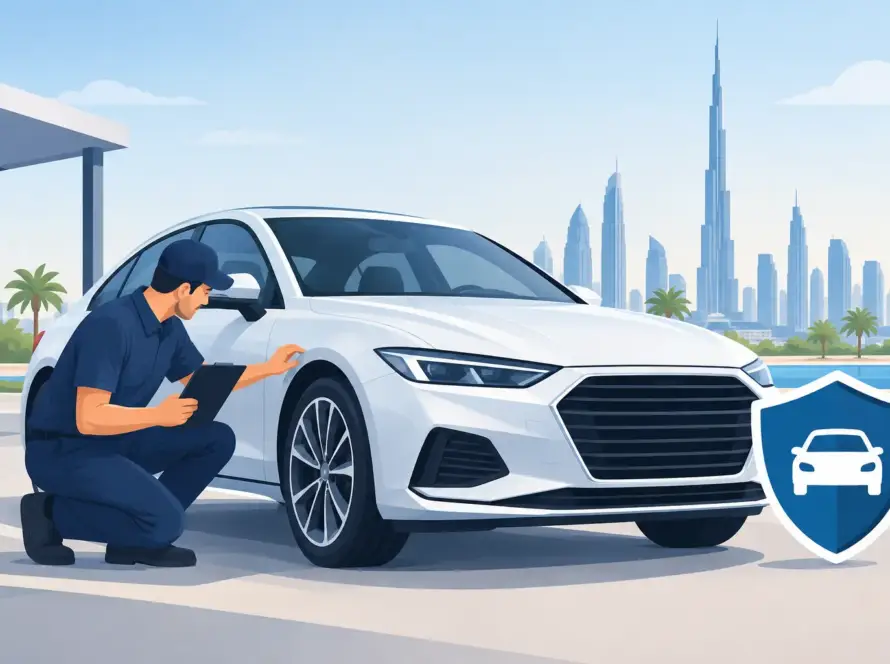
A seller may be helpful and the vehicle may look excellent, but the inspection should work for you, not for the person trying to close the sale. An independent mobile inspection can be completed at the vehicle’s location, whether it is at a dealership, private residence, or another emirate, saving you from arranging transport to a workshop before you even know if the car is worth pursuing.
CarChecker.ae provides one comprehensive inspection package rather than asking buyers to choose between limited tiers. The process is simple: book the inspection, let the vehicle be examined where it sits, then use the photo- and video-supported findings to decide with clarity. We are on your side when the facts matter more than the sales pitch.
Before you transfer a deposit or sign paperwork, give the car enough time to tell its real story. A careful inspection may confirm that you have found the right luxury vehicle – or give you the confidence to leave an expensive problem behind.