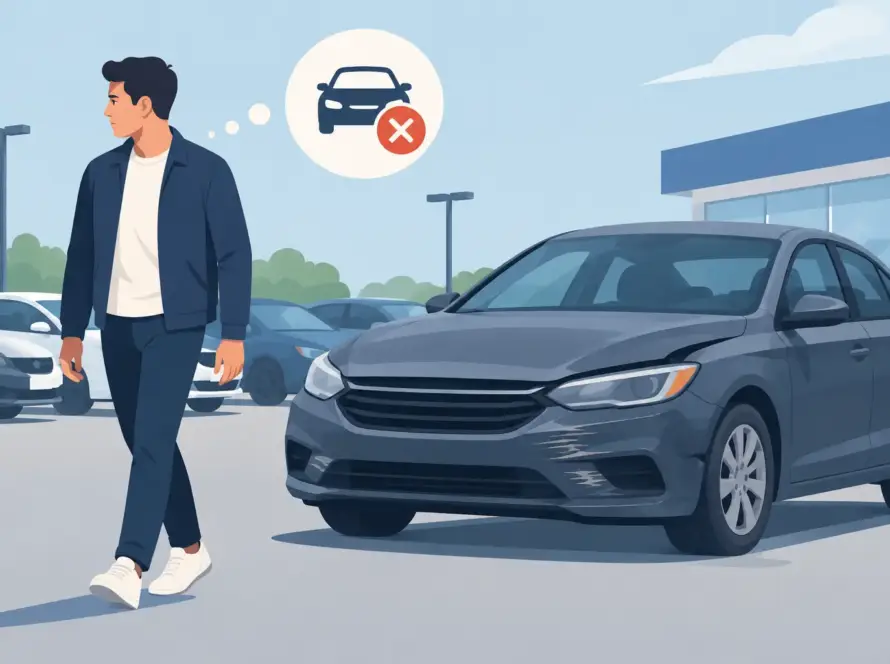
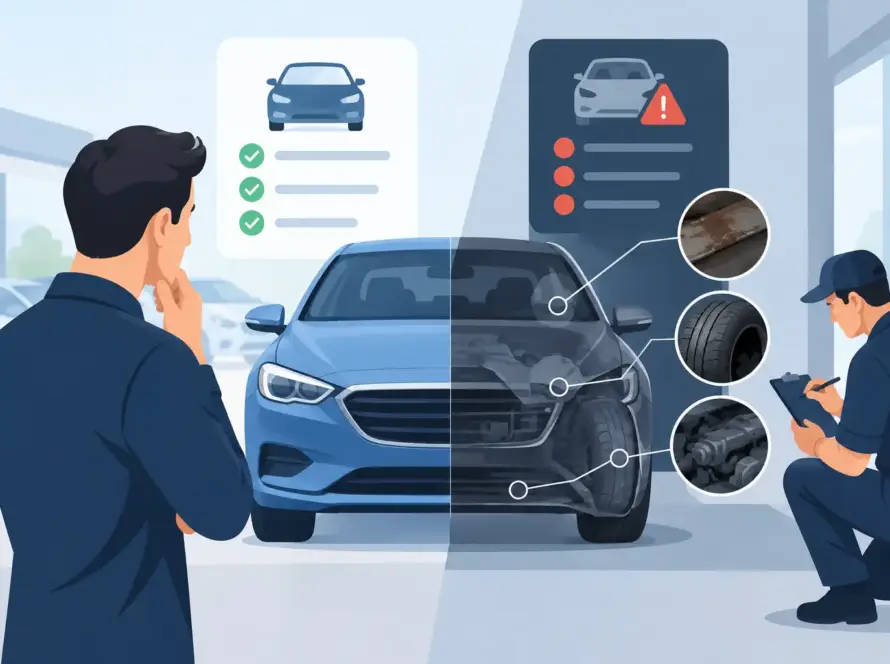
A used car can look immaculate under showroom lights and still carry the consequences of a hard impact. Accident history is one of the first things smart buyers ask about, but a clean-looking report or a seller’s reassurance is not the same as proof that a vehicle is structurally sound.
For buyers in the UAE, that distinction can mean the difference between a confident purchase and months of repair bills, poor resale value, and safety concerns. Before you invest, you need to know what happened to the car, how it was repaired, and whether the repair work has restored the vehicle properly.
What Accident History Can Tell You
Accident history is the record of collisions, damage claims, repairs, salvage events, and other reported incidents connected to a vehicle. Depending on the car’s origin and where it was insured or repaired, this information may appear in official records, insurance databases, auction documentation, service invoices, or vehicle-history reports.
It can help answer major questions. Has the vehicle had a front-end impact that may affect cooling systems, airbags, sensors, or chassis alignment? Was it struck from behind, creating possible damage to the trunk floor, rear structure, or suspension? Did the car come from an overseas auction after being declared damaged?
A history record is valuable, but it is only a starting point. It tells you that something may have happened. It rarely tells you whether the repair was done correctly, whether non-genuine parts were used, or whether hidden damage remains beneath fresh paint and plastic covers.
Why a Clean Record Is Not a Clean Bill of Health
Not every accident is reported in a way that appears on a vehicle-history search. A minor collision may have been paid for privately. A repair may have been completed by a workshop without a formal insurance claim. Cars imported into the UAE can also have incomplete records, particularly when their prior ownership, repair history, or auction trail is outside the local system.
The opposite can also be true. A reported accident does not automatically make a car a bad buy. A low-speed bumper repair performed to a high standard may have little effect on safety or value. The key is understanding the severity of the damage and the quality of the repair.
That is why buyers should avoid simple labels such as “accident-free” or “accident car.” A better question is: What was damaged, what was replaced, and what evidence shows the vehicle is now safe and properly repaired?
Signs of Previous Accident Repairs
A thorough physical inspection can identify repair evidence that documents alone may miss. An experienced inspector looks for consistency across the body, structure, electronics, and driving behavior rather than relying on one obvious clue.
Panel gaps are often revealing. Uneven spacing around doors, hood, trunk, headlights, or bumpers can indicate that components were removed or refitted after an impact. They can also result from poor-quality replacement parts or rushed bodywork.
Paint condition matters too. A paint-thickness gauge can help locate repainted sections, body filler, and blended repairs. Fresh paint is not always a concern, but overspray on trim, mismatched color, sanding marks, or an uneven finish deserve closer attention. On premium vehicles, even a well-blended repaint can affect resale value.
Underneath the vehicle, the inspection becomes more important. Bent suspension components, damaged underbody shields, weld marks, distorted chassis rails, and corrosion around repaired areas can point to a more serious incident. A car may drive reasonably well during a short test drive while alignment, suspension geometry, or tire wear tells a different story.
Modern vehicles add another layer of risk. Bumpers, windshields, mirrors, grilles, and headlights may contain cameras, radar units, parking sensors, and driver-assistance equipment. After an accident, these systems need correct installation and calibration. A dashboard with no warning lights does not guarantee every safety feature is functioning as intended.
The Accident Damage That Matters Most
Not all accident repairs carry the same level of concern. Cosmetic damage is usually the easiest to assess. A repaired bumper cover or a replaced fender may be acceptable if the surrounding structure, mounting points, sensors, and paintwork are in good condition.
Structural damage requires a much higher level of caution. Damage to chassis rails, pillars, floor pans, suspension mounting points, or crumple zones can affect how the vehicle behaves in a future collision. It may also cause persistent alignment problems, water leaks, wind noise, or uneven tire wear.
Airbag-related repairs are another critical area. If airbags deployed, the vehicle may have needed replacement airbags, seat belts, sensors, control modules, dashboard components, and more. Cutting corners here is dangerous. A vehicle should never be accepted based solely on an assurance that the airbags were “fixed.” It needs evidence, diagnostic checks, and a careful inspection of the related systems. This should and can only be done by a trained, competent inspector, not any quick check or superficial glance of the car will give you the information you need to determine if you should trust yours and your family’s safety to the car in question. At CarChecker.ae we dedicate the necessary time, using the best equipment on the market operated by the most specialized and experienced inspectors.
Flood exposure can also accompany accident history, especially for imported vehicles sold after insurance events. Water damage may not be obvious at first. Inspectors look for moisture, corrosion in connectors, staining under carpets, unusual odors, and electrical faults that can become expensive long after purchase.
How to Verify a Car’s History Before You Buy
Start by asking the seller direct questions. Ask whether the car has had any accident repairs, paintwork, insurance claims, airbag deployment, or structural work. Ask for maintenance invoices and repair receipts, not just a verbal explanation. A transparent seller should be willing to discuss the vehicle’s past.
Then compare the seller’s answers with what the car shows you. If a seller says the vehicle has never been painted but a paint reading reveals multiple repaired panels, pause the deal until the discrepancy is explained. If the listing describes a car as original but the bumper, headlights, hood, and radiator support show signs of replacement, the story needs more scrutiny.
Before handing over a deposit, make sure the inspection includes these four areas:
- Vehicle-history and available maintenance-record review
- Paint, panel, chassis, and underbody assessment
- Computer diagnostics for faults, safety systems, and stored codes
- A road test to identify alignment, steering, braking, vibration, and suspension issues
No single check can replace the others. Vehicle records may reveal a reported incident, while physical inspection shows the repair quality. Diagnostics can identify faults that are not visible, and the road test can expose problems that only appear when the car is moving.
How Accident History Should Affect the Price
A vehicle with previous damage is not automatically worth avoiding, but it should never be priced as if nothing happened. The impact on value depends on the extent of the damage, repair quality, make and model, documentation, and the buyer’s intended use.
For a practical daily driver, a documented cosmetic repair may be acceptable if the price reflects it and the inspection confirms there is no structural or mechanical concern. For a luxury car, performance vehicle, or collector-oriented model, accident repairs can have a greater effect on resale demand. Buyers in these categories often expect stronger documentation and a higher standard of repair.
Be realistic about future ownership. You may be comfortable buying a repaired vehicle today, but the next buyer may be less comfortable. If you plan to sell within a few years, that history can narrow your buyer pool and reduce your negotiating position.
Do Not Let a Good-Looking Car Rush Your Decision
A seller may say the repair was minor. The vehicle may photograph perfectly. The asking price may look like a bargain. None of those points confirms that the car is safe, properly repaired, or fairly valued.
CarChecker.ae brings an independent inspection to the vehicle’s location, checking the evidence that a quick walk-around cannot reveal. You receive clear findings, photos and videos where needed, and practical guidance on whether to proceed, negotiate, or walk away.
The right used car is not simply the one with the cleanest story. It is the one whose condition, history, repair quality, and price all make sense together. Inspect before you invest, and let the evidence make the decision easier.