A clean cabin, polished paint, and a convincing seller can make a used car feel like a safe purchase. A proper vehicle inspection looks past that first impression. It tests whether the car’s condition supports its price, its history, and the promises being made before your money changes hands.
For buyers in the UAE, that evidence matters. Vehicles may have moved between emirates, changed hands several times, spent years in extreme heat, or been repaired after an accident without the full story being disclosed. The right inspection is not about finding minor cosmetic flaws to argue over. It is about identifying safety concerns, hidden damage, major repair risks, and the real cost of ownership.
Why a vehicle inspection should happen before payment
A seller may genuinely believe their vehicle is in excellent condition. That does not mean they know about every issue. Modern vehicles can hide faults behind warning lights that have been cleared, temporary repairs, fresh detailing, or a smooth five-minute test drive around the block.
A pre-purchase inspection gives you an independent view. It can reveal oil or coolant leaks, transmission concerns, suspension wear, brake issues, poor-quality accident repairs, chassis damage, electrical faults, and overdue maintenance. On premium, performance, and luxury vehicles, even a single undisclosed problem can turn an attractive asking price into a costly commitment.
The inspection also changes the conversation with the seller. Instead of relying on assumptions, you have documented findings. You may decide the vehicle is not worth pursuing, negotiate based on likely repair costs, or move forward with confidence because the car has checked out well. All three outcomes can save you money.
What a complete vehicle inspection should check
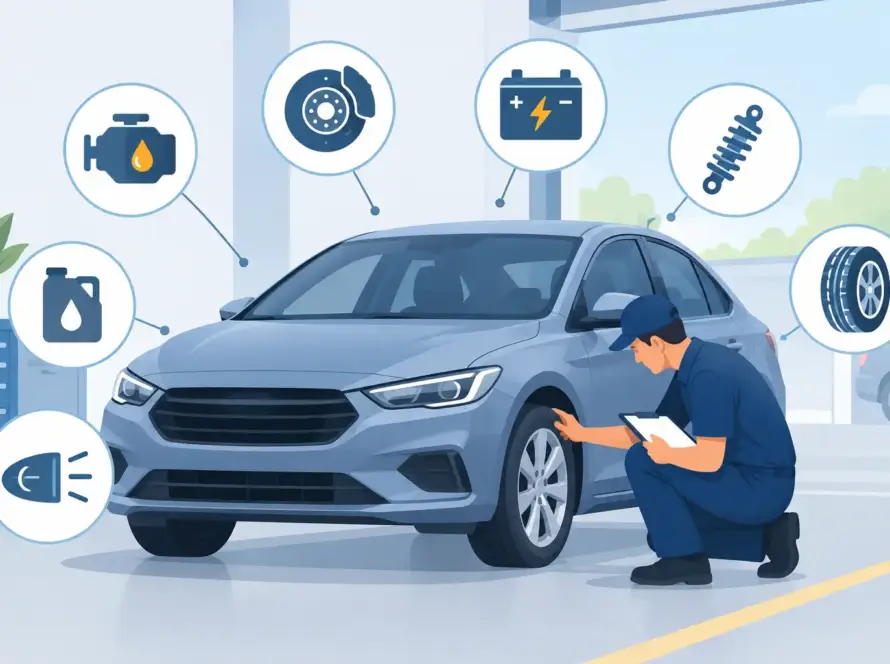
A useful inspection is much more than a quick scan for fault codes. Diagnostic equipment is valuable, but it cannot replace an experienced physical assessment and road test. A complete evaluation connects electronic data with the vehicle’s actual mechanical and structural condition.
Mechanical systems and diagnostics
The engine should be assessed for starting behavior, abnormal noises, leaks, smoke, fluid condition, overheating signs, and visible repair concerns. The transmission needs equal attention. Delayed engagement, slipping, rough shifts, or hesitation may not be obvious when a seller is driving the car carefully.
Computer diagnostics can identify stored, pending, or current faults across relevant control modules. But a clear scan is not an automatic pass. A fault may have been recently erased, or the issue may be mechanical rather than electronic. An inspector should interpret the scan results alongside the car’s behavior, service records, and visible condition.
Suspension, steering, brakes, tires, and driveline components also deserve close inspection. UAE roads and heat can be demanding on rubber components, cooling systems, batteries, and air-conditioning performance. Uneven tire wear, for example, may point to alignment problems, worn suspension parts, or prior impact damage rather than simply old tires.
Body, chassis, and underbody condition
Fresh paint is not always bad. Cars get repaired for legitimate reasons. The key question is whether the repair was cosmetic, structural, properly completed, and honestly represented.
A thorough inspection looks for paint inconsistencies, panel gaps, overspray, weld marks, replaced parts, corrosion, and signs of repair in areas that should be original. The chassis and underbody can reveal far more than the exterior: impact damage, bent components, fluid leaks, compromised mounting points, and rushed repairs are often easier to spot underneath the vehicle.
This is especially important when a car is advertised as accident-free. A vehicle can drive normally after a repair while still carrying structural concerns or reduced long-term value. The trade-off is simple: a well-documented minor repair may be acceptable at the right price, while evidence of serious structural damage should make any buyer pause.
Interior, electrical equipment, and road test
The interior is not just about wear and appearance. Inspectors should check seat functions, windows, mirrors, climate control, infotainment, cameras, sensors, instrument displays, lights, and safety-related features. Repairing electrical problems in newer vehicles can be expensive because the issue may involve wiring, modules, sensors, or calibration.
A road test helps confirm what static checks cannot. It can expose steering pull, vibration, brake shudder, drivetrain noise, poor engine response, transmission behavior, and air-conditioning performance under normal use. Not every location allows for an extended road test, so the scope may depend on access, insurance, traffic conditions, and the seller’s permission. When a road test is limited, that should be stated clearly in the report.
Vehicle history and maintenance records matter
A low odometer reading is only one piece of the picture. Service invoices, maintenance stamps, repair records, and vehicle-history information can help establish whether the vehicle’s story makes sense.
Regular maintenance does not guarantee a perfect car, but missing records create uncertainty. A vehicle without evidence of oil changes, cooling-system work, brake service, or manufacturer-recommended maintenance may require a more cautious purchase decision. For some vehicles, an upcoming major service can materially change the true cost of buying it.
History checks may also identify concerns that are not obvious during a physical inspection, such as prior damage records, import history, ownership changes, or mileage inconsistencies where records are available. No single database is complete, which is why history research should support, not replace, a hands-on assessment.
Special considerations for EVs, luxury cars, and commercial vehicles
The same basic buyer protection applies to every vehicle, but the areas of risk change by type.
Electric vehicles need assessment of battery health indicators, charging operation, charging ports, warning messages, thermal-management components, and the condition of high-voltage-related systems where safely accessible. An EV may feel quick and quiet on a short drive while a charging or battery-related issue remains expensive to resolve.
Luxury and performance vehicles often include complex air suspension, turbocharging, advanced driver-assistance systems, multiple control modules, and high-cost components. A small warning sign can carry a large repair bill. Buyers should not assume that a prestigious badge means the car has been maintained to a prestigious standard.
For SUVs and commercial vehicles, underbody condition, suspension, drivetrain wear, towing-related stress, and signs of hard use can be particularly relevant. A vehicle that looks tidy on the outside may have worked far harder than its appearance suggests.
How to use the inspection report
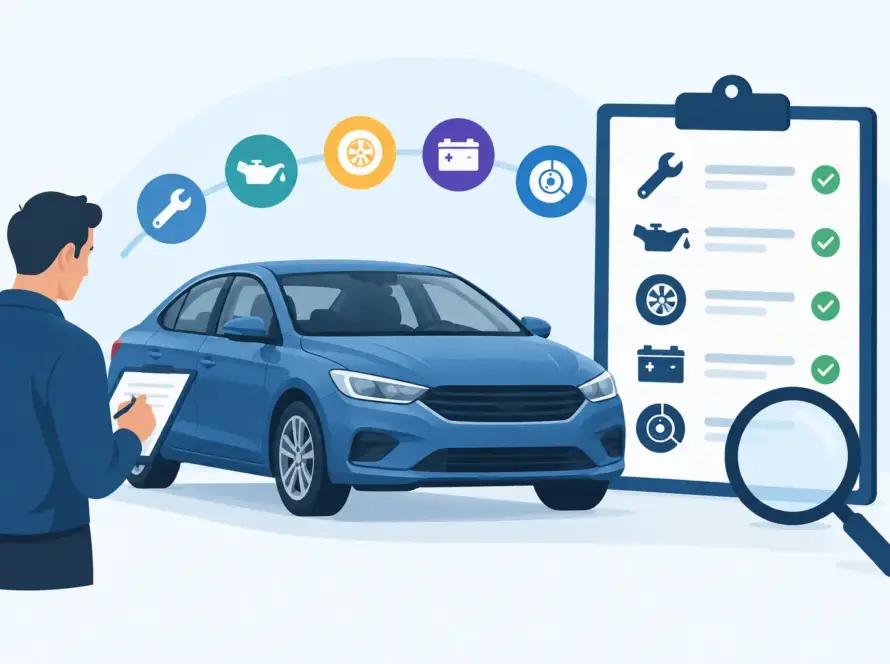
The best inspection report does not bury you in technical language. It explains what was found, supports key observations with photos or video where appropriate, and distinguishes between immediate concerns, items to budget for, and normal age-related wear.
Focus first on safety, structural integrity, and major mechanical risk. A worn wiper blade or minor scratch should not distract from an overheating issue, transmission fault, accident repair, or degraded braking component. Then consider the likely cost and timing of maintenance. A car may still be a sensible purchase if its issues are transparent, manageable, and reflected in the price.
Ask direct questions after reading the report. What needs attention now? What may become expensive soon? Is the seller’s asking price reasonable considering the findings? Could the vehicle be driven safely while repairs are arranged? Clear answers help you decide without pressure.
Book, inspect, then decide
Do not let a seller’s urgency replace your due diligence. A vehicle that is genuinely worth buying should stand up to independent inspection. If access is limited, the seller refuses a check, or key information does not add up, treat that as useful information too.
CarChecker.ae brings a full mobile inspection to the vehicle’s location across the UAE, so you can assess the car before committing to a garage visit, transport arrangements, or a rushed decision. One complete inspection means you receive the same depth of assessment whether you are buying your first UAE car or evaluating a high-value upgrade.
The right used vehicle is not necessarily flawless. It is the one whose condition is known, whose risks are understood, and whose price makes sense once the evidence is on the table. Inspect before you invest.