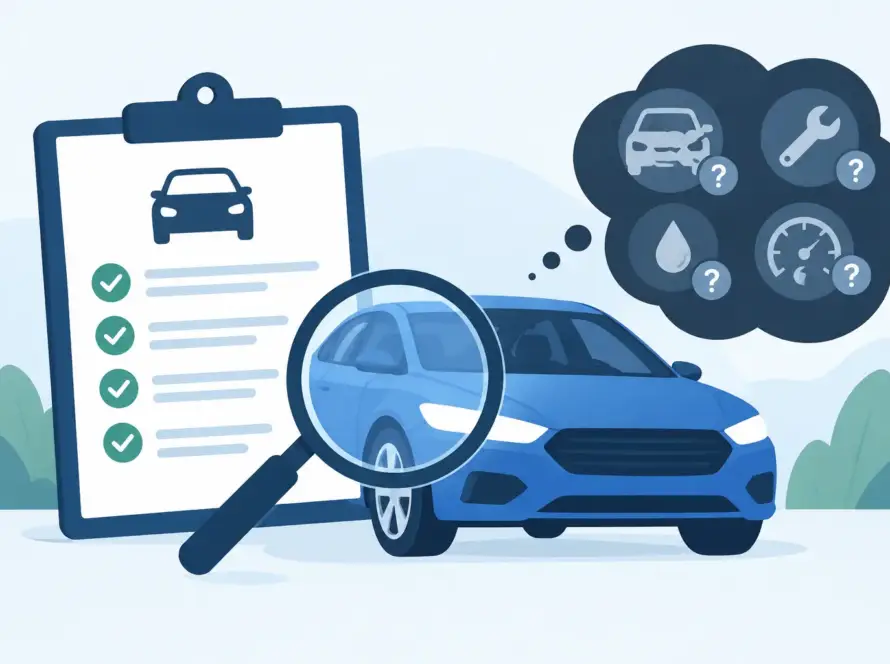
A clean exterior, a polished dashboard, and a confident seller can make a used car look like a smart buy. But a car can drive smoothly for 10 minutes while carrying prior accident repairs, engine faults, worn suspension parts, or diagnostic trouble codes that become expensive the moment ownership changes. That is why a proper CarChecker.ae car inspection Dubai buyers can arrange before payment is not a luxury. It is protection.
Dubai’s used-car market moves quickly. A seller may tell you there are other interested buyers, a dealer may present a limited-time offer, or a listing from another emirate may seem too good to miss. The pressure to decide fast is real. Your decision should still be based on evidence, not promises.
Why the Car Inspection Dubai Buyers Need Is Independent
A seller’s inspection, workshop receipt, or verbal assurance may be useful background, but none of them replaces an assessment performed for you. The seller wants to complete a sale. A buyer needs the full condition of the vehicle explained clearly, including the findings that could affect safety, value, and future repair costs.
Our Independent inspection means the person checking the car is on your side. The goal is not to make a vehicle sound better than it is, nor to push you away from every used car. Most pre-owned vehicles will show some wear. What matters is whether that wear is normal for the car’s age and mileage, whether repairs have been completed correctly, and whether the price reflects the real condition.
For example, a few cosmetic stone chips may be expected on a highway-driven SUV. Uneven tire wear, a steering pull, and signs of suspension damage are a different conversation. A small oil seep may be manageable. A major engine oil leak, overheating history, or fault codes that keep returning can change the value of the deal completely.
What a Thorough Used-Car Inspection Should Check
A useful inspection goes far beyond walking around the car and starting the engine. It should connect visible condition, mechanical performance, electronic data, and the vehicle’s history into one practical picture.
Exterior, structure, and underbody
Paint condition can reveal more than cosmetic imperfections. Our Inspectors look for inconsistent panel gaps, paint texture differences, overspray, replacement panels, corrosion, and repair signs that may point to prior collision damage. A repaired vehicle is not automatically a bad purchase, but structural damage, poor-quality repairs, or undeclared accident history deserve careful attention.
The underbody matters just as much. It can expose leaks, damaged covers, bent components, corrosion, exhaust issues, and evidence of impact damage that is easy to miss from above. In Dubai, cars can also have a history of off-road use, curb impacts, or flood exposure. A close inspection helps distinguish a well-maintained vehicle from one that has had a harder life than the listing suggests.
Engine, transmission, brakes, and suspension
Mechanical checks focus on the systems that can create the largest ownership costs. The engine is assessed for leaks, unusual noises, cooling-system concerns, fluid condition, and signs of poor maintenance. The transmission should shift as expected, without hesitation, slipping, harsh engagement, or warning messages.
Brakes, tires, steering, and suspension are equally important because they affect both safety and immediate spending. A vehicle can appear affordable until it needs four tires, brake discs and pads, suspension work, and a wheel alignment within the first month. Those costs should be known before you agree on the price.
Computer diagnostics and road testing
Modern cars store valuable information in their electronic control modules. A diagnostic scan can identify active and stored trouble codes related to the engine, transmission, airbags, ABS, sensors, emissions systems, and other electronic components. Clearing a warning light does not necessarily fix the fault behind it.
A road test adds context that a stationary inspection cannot provide. It can reveal vibration at speed, brake pull, steering instability, transmission behavior, engine response, drivetrain noise, and air-conditioning performance. Road testing is especially valuable for premium, performance, and luxury vehicles, where a single concealed fault can lead to a substantial repair bill.
Interior, maintenance, and vehicle history
Inside the cabin, inspection includes controls, displays, air conditioning, windows, seats, safety equipment, and signs of heavy wear or water intrusion. The condition of the interior should make sense for the mileage shown. If it does not, that does not prove a problem by itself, but it calls for a closer look.
Maintenance records and vehicle-history checks help fill in the story. Regular servicing is a positive sign, but invoices should be assessed alongside the car’s actual condition. A stamped service book is reassuring only when the vehicle also performs as it should. History checks can also help identify prior accidents, mileage concerns, or other records that a buyer should understand before proceeding.
Mobile Inspection Makes the Smart Choice Easier
Taking a car to a workshop is not always practical. The seller may not want to release it, the car may be located far from you, or you may be comparing several vehicles in a short period. A mobile inspection brings trained eyes and professional equipment to the car’s location, whether it is at a dealer, private residence, office, or storage site.
That convenience should not mean a lighter check. CarChecker.ae offers one complete mobile inspection package rather than confusing service levels, so buyers receive the same depth of assessment whether they are purchasing a first commuter car, a family SUV, a luxury sedan, a commercial vehicle, a motorcycle, or an electric vehicle. Inspections start from AED 600 and are available across the UAE, seven days a week.
Electric vehicles need their own approach. In addition to normal chassis, tire, brake, and body checks, the inspection should consider battery condition, charging equipment, warning messages, and EV-specific systems. The same applies to high-performance and luxury cars, where specialized components and deferred maintenance can carry costs that are easy to underestimate.
Use the Report to Negotiate or Walk Away
The best inspection report does not simply say “good” or “bad.” It shows what was found, supports key findings with photos or video where appropriate, and explains what each issue could mean for you. You need enough detail to make a decision, not a vague checklist full of technical terms.
Some findings create room for a fair price adjustment. If the vehicle needs tires soon, has minor bodywork needs, or is approaching a scheduled service, you can calculate those costs and negotiate with confidence. Other findings may justify asking the seller to complete repairs before sale.
Then there are cases where walking away is the sensible decision. Serious structural concerns, major drivetrain problems, inconsistent history, persistent warning lights, or evidence of poorly repaired accident damage can turn a bargain into a liability. Paying for an inspection and declining the car is not wasted money. It may be the most valuable result you receive.
Book, Inspect, Decide
The process should be simple. First, our team arranges the inspection at the vehicle’s location directly with the seller. Next, let an independent inspector assess the car from the body panels and underbody to the diagnostic systems and road behavior. Finally, review the evidence and decide whether to buy, negotiate, request repairs, or continue your search.
Do not let urgency replace due diligence. The right used car will still need to stand up to scrutiny. Before you transfer a deposit or sign the paperwork, give the vehicle one chance to tell the truth – and make sure someone experienced and professional is listening.